
Spellcraft blends ancient lore with modern intent. It invites seekers to harness language, symbols, and rhythm to shape reality. By aligning thought, voice, material, a spell becomes a focused act of will, echoing timeless traditions while inviting personal creativity.—journey art! .!!
In everyday usage, a spell refers to the act of naming letters in order to form words, as seen in dictionaries and language learning tools. In magical contexts, however, the term expands to encompass a deliberate, intention‑driven utterance or written formula designed to influence reality. The core idea is that language, when spoken or penned with purpose, carries power beyond its literal meaning. Historically, spell‑casting has been documented in ancient rituals, medieval grimoires, and contemporary practices, all of which emphasize the importance of precise wording, rhythm, and intent. The word ‘spell’ originates from the Old English ‘spellan’, meaning to speak or recite, and later evolved to denote both the act of spelling words and the utterance of incantations. In folklore, a spell is often a short, rhythmic phrase that, when repeated, is believed to produce a specific effect. The power attributed to a spell lies in its precise wording and the caster’s focus; even a single mispronounced syllable can alter the outcome. Practitioners often combine these words with symbolic gestures to amplify the spell’s effect. The synergy of sound and symbol creates a potent channel. These spells are often performed during specific lunar phases to harness celestial energy. It is a subtle art and practice! When a spell is cast, the caster must align their breath, heart, and mind, ensuring that every syllable resonates with the desired outcome. Such practices weave will into flow of chance.
Historical Roots of Spellcasting
From the earliest cave paintings to the codices of the Middle Ages, humans have sought to command unseen forces through spoken and written word. In Mesopotamia, the Sumerian “tablet of destiny” recorded incantations that were believed to bind the gods to a mortal’s will. Egyptian priests chanted hymns beside the Nile, invoking deities to protect crops and heal disease. In ancient Greece, Homeric hymns and the Orphic mysteries used lyrical formulas to transcend mortal limits. The medieval European tradition, preserved in grimoires such as the “Malleus Maleficarum,” blended Christian theology with folk practices, asserting that precise wording could summon angels or ward off demons. Across cultures, the common thread is the belief that language, when uttered with intent, becomes a conduit for power. This historical tapestry informs modern spellcraft, where practitioners honor ancient patterns while adapting them to contemporary contexts.
In the 20th century, occultists like Aleister Crowley and the Hermetic Order of the Golden Dawn codified many of these practices, publishing grimoire manuals that blended ritualistic precision with symbolic cosmology. Contemporary practitioners now draw upon these texts, integrating modern scientific understanding of psychology and energy work, thereby bridging ancient mysticism with present‑day experiential frameworks. These evolving traditions underscore the desire to shape destiny through thought, sound, symbolic action!!.

Fundamental Elements of a Spell
Words shape intent, echoing ancient chants that bind thought to action. Materials—crystals, herbs, candles—serve as focus, amplifying energy. Timing aligns with celestial cycles, ensuring the spell’s resonance with natural rhythms. Trust the flow. daily
Words and Intention

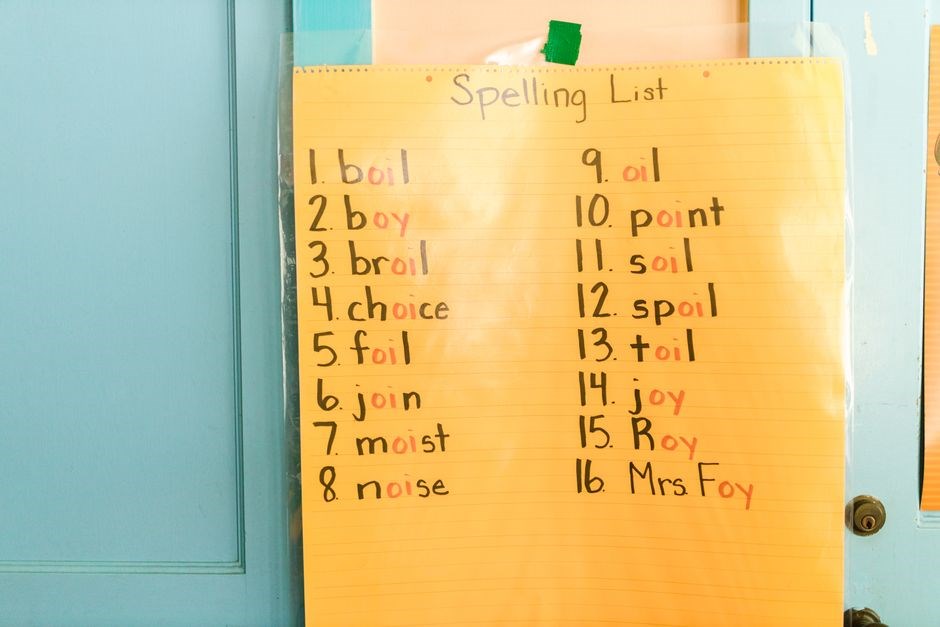
In spellcraft, words are the bridge between thought and manifestation. Each syllable carries vibration, and when spoken with clarity, they become a conduit for intention. The ancient practice of “spelling”—to name letters in order—mirrors this principle: arranging sounds deliberately shapes meaning. Modern spell‑checking tools remind us that precision matters; a single misplaced letter can alter a message’s impact. When crafting a spell, begin by articulating your goal in simple, affirmative language. Avoid ambiguity; the clearer the statement, the stronger the energy. For example, “I attract calm” is more potent than “I want to feel less stressed.” Repetition reinforces the intent, turning the phrase into a mantra that aligns the mind with desired outcome. Visualize the desired result while uttering the words, allowing the breath to synchronize with the rhythm of the chant. This combination of verbal clarity, visual focus, and breath control creates a resonant frequency that can influence subtle energies. Remember, the power of a spell lies not only in the words themselves but in the intention behind them. A well‑crafted phrase, spoken with conviction, can shift perception, alter emotional states, and, over time, bring about tangible change. Practice daily, refine your diction, and let the words become a living instrument of transformation!!.
Materials and Tools
Materials and tools are the tangible allies that give shape to a spell’s intention. Traditional practitioners gather crystals, herbs, candles, and parchment, each chosen for its vibration and symbolism. A quartz crystal amplifies clarity, while sage or rosemary purifies the space. Candles—red for passion, white for protection—serve as focal points, their flames dancing in rhythm with the spoken words. Parchment or a clean sheet of paper holds the written formula; ink or a stylus can be used to trace sigils that anchor the energy. A wand or athame, carved from wood or metal, directs the flow of power, while a pentacle or small altar stone grounds the practice. In circles, spell‑checking software and online spell databases become essential tools; they ensure linguistic precision, preventing mispronunciation or accidental misdirection of intent. A reliable spell checker, like the free Quillbots service, automatically corrects spelling errors, allowing the caster to focus on the spell’s meaning rather than on orthographic mistakes. Tools also provide access to repositories of incantations, allowing practitioners to research historical variations and adapt them to contexts. Whether using artifacts or software, the key is intentional selection: each material and tool must resonate with the caster’s purpose, creating a environment where intention, sound, and energy converge in a single, potent act of will. Stars align in the night.!
Timing and Alignment
Timing and alignment are the celestial coordinates that guide a spell’s potency. Practitioners consult lunar phases, planetary hours, and astrological transits to choose the most favorable moment. A waxing moon amplifies growth, while a waning moon supports release. The alignment of the sun, moon, and stars creates a harmonic field that amplifies intention. Astrologers calculate planetary aspects—such as conjunctions or squares—to determine whether a spell will resonate or encounter resistance. In addition to celestial timing, the caster’s own internal rhythm matters; aligning breath, heartbeat, and thought creates a microcosmic harmony that mirrors the macrocosm. A quiet, focused mind reduces interference, allowing the spell’s energy to flow unimpeded. Many traditions recommend performing rituals at dawn or dusk, when the light shifts and the veil between worlds thins. Others use specific days of the week, each associated with a planet: Tuesday for Mars, Thursday for Jupiter, etc. The combination of external celestial cues and internal alignment ensures that the spell’s energy is not only directed but also amplified, creating a synergistic effect that increases the likelihood of successful manifestation. Align, breathe, and let the cosmos guide your will. Remember timing is about both celestial cycles and inner readiness; when heart and mind are calm, the spell aligns with the universe’s rhythm, ensuring harmony daily.

Types of Spells
Spells split into protective, healing, and transformation categories. Protective wards guard against harm, healing rituals mend body and spirit, while transformation spells shift reality or self. Each type uses words, intent, and timing to channel focused energy.!!
Protective Spells

Protective spells serve as energetic shields, drawing on ancient traditions and modern intent to safeguard individuals, spaces, and intentions. The core of a protective ritual involves a clear purpose, precise wording, and a set of symbolic tools that resonate with the desired boundary. Common elements include salt circles, iron objects, sage smudging, and protective sigils drawn in chalk or ink. The practitioner first centers themselves, grounding in breath and intention, then visualizes a luminous barrier forming around the target. By chanting or speaking the chosen incantation, the spell’s energy is focused and amplified. Timing can be crucial; aligning with lunar phases or planetary hours can enhance potency, especially for long‑lasting protection. The spell is sealed with a final affirmation, often repeated thrice, to lock the protective field. After completion, the practitioner may release the energy by walking through the circle or by placing a small token in a protective container. This ritual not only shields against negative influences but also reinforces personal confidence and resilience. Protective spells are adaptable: they can be tailored for homes, vehicles, relationships, or personal safety, and can be combined with other spell types for comprehensive coverage. The key lies in sincere intent, consistent practice, and respect for the subtle forces that govern the unseen realms. It empowers the soul to protect and nurture.
Healing Spells
Healing spells weave intention with natural elements, inviting the body’s innate regenerative rhythms to harmonize. The practitioner first establishes a space, grounding through breath and a brief meditation that centers the heart and mind. A protective circle of salt or sage is drawn, creating a boundary that keeps negative energies at bay while allowing healing currents to flow freely. The core of the ritual involves a chosen herb—such as lavender for calm, chamomile for soothing, or rosemary for revitalization—placed in a bowl or wrapped in a clean cloth. Light a candle of a color that resonates with the desired outcome: blue for emotional balance, green for physical renewal, or white for overall purification. As the flame flickers, the spellcaster chants a personalized affirmation, weaving the herb’s essence into the spoken word. The mantra might read, “With the light of this flame, I invite the body’s natural wisdom to mend, to heal, to thrive.” Repeating the chant three times reinforces the intention, while rhythmic breathing ensures the energy remains steady. After the chant, the practitioner may gently press the herb against the affected area or place it under the pillow, allowing the subtle energies to seep into the body’s tissues. Closing the ritual involves thanking the elements, extinguishing the candle, and sealing the circle with a final breath of gratitude. Regular daily practice, combined with healthy habits, amplifies the spell’s effect, fostering resilience and a deeper connection to one’s own healing power Remember the true strength of a healing spell lies not only in the words spoken but in the sincere belief that the universe will listen and respond in kind and trust! now!
Transformation Spells
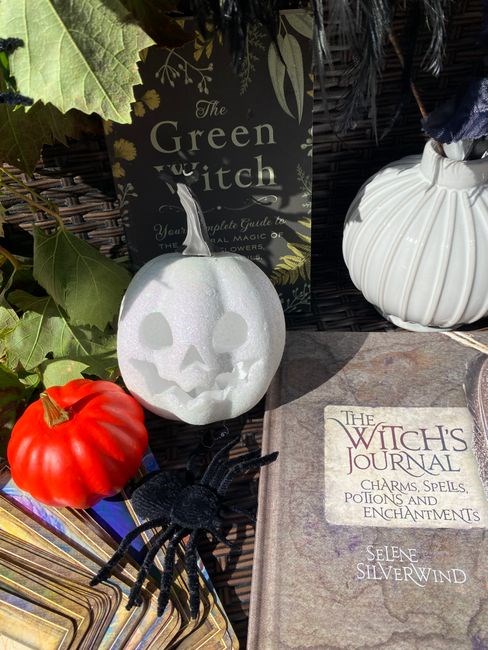
Transformation spells harness the dynamic flow of energy to shift a person’s circumstances, mindset, or physical form. The ritual begins with a clear intention, articulated through a written statement that names the desired change. The caster then gathers symbolic items—such as a mirror to reflect the new self, a candle of the color that represents the goal (green for growth, blue for calm, red for passion), and a small stone or crystal that resonates with the energy of change. A protective circle is drawn with salt or chalk, and the space is purified by incense or sage. The spell is performed at a time of alignment, often during a waxing or waning moon, to amplify the transformative force. The caster lights the candle, places the mirror in front, and whispers the intention while visualizing the new reality. A chant or mantra is repeated three times, each repetition deepening the connection. The mirror is then held over the candle flame, symbolizing the burning of old patterns, while the stone is pressed to the heart, inviting the new energy to settle. After the chant, the candle is extinguished, and the circle is closed with a final breath of gratitude. By aligning intention, symbolism, and timing, transformation spells become powerful tools for personal evolution, guiding the practitioner toward a renewed sense of purpose and possibility. Keeping a journal records subtle shifts and new insights, reinforcing the spell’s lasting impact daily!!!. This ritual invites the soul to evolve now

Modern Spell Resources

Quillbots offers a free spell checker that auto‑detects errors, enhancing clarity. Online spell databases compile definitions, etymology, and usage examples, while spell‑checking software integrates into writing tools, ensuring polished, error‑free spellcraft

Spell-Checking Software
Quillbots’ free spell checker automatically detects and corrects spelling errors, enhancing clarity and flow. By integrating seamlessly into popular writing platforms, it offers real‑time suggestions, contextual corrections, and a learning mode that tracks recurring mistakes. The tool’s algorithm analyzes word patterns, contextual usage, and user intent, providing precise edits without altering the author’s voice. For spell‑checking software enthusiasts, features such as customizable dictionaries, language support, and API access enable developers to embed the checker into websites, mobile apps, or desktop editors. The interface is lightweight, requiring minimal resources, and supports both online and offline modes; Users can review suggested changes, accept or reject them, and export corrected drafts. The software also logs usage statistics, helping writers identify weak areas and improve overall writing quality. With its focus on accuracy, speed, and user experience, Quillbots exemplifies how modern spell‑checking solutions can transform everyday writing into polished, professional communication.
Developers can integrate Quillbots via API, passing text snippets and receiving JSON responses with suggested corrections. The platform supports multiple languages, including English, Spanish, French, and German, and offers a plugin for content management systems. Users can create custom dictionaries to add domain‑specific terminology. The lightweight client runs offline, ideal for fieldwork or remote locations, for travelers!.
Online Spell Databases
Online spell databases serve as dynamic repositories of linguistic knowledge, offering instant access to comprehensive word lists, etymologies, and usage examples. These platforms aggregate data from public domain corpora, academic lexicons, and community contributions, ensuring that spellings reflect both historical roots and contemporary usage. Users can search for a term, view its accepted variants, and explore related words, which is especially helpful for writers dealing with regional spellings or specialized jargon. Many databases provide API endpoints, allowing developers to integrate spell‑checking features into custom applications or content management systems. The real‑time lookup capability reduces the need for manual reference, streamlining the editing process. Additionally, some services incorporate machine‑learning models that predict likely misspellings based on context, offering corrective suggestions that adapt to the user’s writing style. By maintaining up‑to‑date dictionaries that include newly coined terms, slang, and technical vocabulary, online spell databases keep pace with the evolving language landscape. For educators, these resources support curriculum development by providing authoritative spelling references and enabling students to verify unfamiliar words. In the digital age, the accessibility and interactivity of online spell databases empower both casual writers and professionals to produce error‑free, polished text with confidence. Enhance precision daily now!!