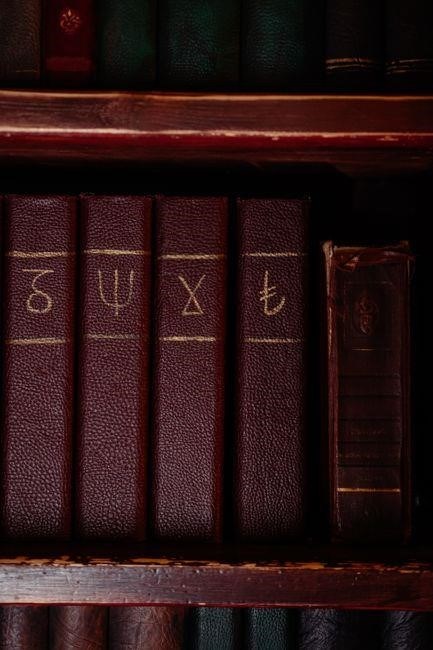
The Lesser Key of Solomon PDF offers a digital gateway to ancient rites‚ featuring 200 sigils‚ detailed diagrams‚ and translations from British Museum manuscripts. Modern editions by De Laurence and Mathers provide free access‚ while online archives host the full text for study. Accessible via archives.
1.1 Origin and Authorship
The Lesser Key of Solomon‚ a cornerstone of Western occult literature‚ originates from a confluence of medieval grimoires‚ early Renaissance manuscripts‚ and Jewish Kabbalistic traditions. The core material—often referred to as the Goetia—was first compiled in the 16th century‚ with the most authoritative version preserved in the British Museum’s collection of parchment codices. Scholars attribute the compilation to anonymous authors who synthesized Christian demonology with Jewish mystical concepts‚ creating a structured hierarchy of seventy‑two spirits. The text was later codified in Latin‚ with Hebrew transliterations of each spirit’s name‚ and subsequently translated into English by S. L. MacGregor Mathers in the late 19th century. Mathers’ edition‚ published by the Theosophical Society‚ retained the original Latin and Hebrew spellings while providing detailed ceremonial instructions in accessible prose. In the early 20th century‚ L. W. De Laurence produced a critical edition that incorporated marginalia and variant readings from other manuscripts‚ further refining the text’s accuracy. Modern digital PDFs‚ such as those hosted on the Internet Archive‚ rely on these translations‚ ensuring that the PDF versions remain faithful to the original manuscripts. The authorship remains a collective‚ anonymous effort‚ reflecting the collaborative nature of medieval occult scholarship. The PDF format allows scholars worldwide to examine the intricate sigils‚ hierarchies‚ and ritual protocols that define the Lesser Key’s enduring influence on ceremonial magic. The codex’s parchment shows signs of restoration‚ suggesting the text survived tumultuous periods of censorship. The PDF editions preserve these historical layers‚ allowing readers to trace textual variants and editorial choices. These layers show resilience across centuries!!!.
1.2 Publication History and Editions
The Lesser Key of Solomon first appeared in the early 16th‑century manuscript tradition‚ with the most complete codex now housed in the British Museum. Its Latin text‚ accompanied by Hebrew transliterations‚ was copied by several scribes‚ reflecting a collaborative medieval effort. The 19th‑century breakthrough came when S. L. MacGregor Mathers published a critical English translation in 1888‚ making the grimoire accessible to Western occultists. Mathers’ edition preserved the original sigils and ritual instructions while adding explanatory notes on Kabbalistic symbolism. In 1868‚ L. W. De Laurence produced a scholarly edition that incorporated marginalia and variant readings from other manuscripts‚ providing a more accurate textual base. The 20th‑century saw the first mass‑printed editions in the United Kingdom‚ followed by American reprints that included updated translations. The digital age ushered in free PDF versions‚ most notably the 2008 Internet Archive upload by user tpb‚ which digitized the De Laurence edition and made it available worldwide. Contemporary publishers such as Global Grey have released high‑resolution PDFs featuring restored sigils and modern commentary. These editions vary in fidelity to the original manuscripts‚ with some prioritizing scholarly precision and others emphasizing user accessibility. The PDF format has become the standard for modern study‚ allowing researchers to overlay annotations‚ compare variants‚ and share critical apparatuses across platforms. The continued publication of the Lesser Key in both print and digital forms underscores its enduring relevance to ceremonial magic and historical research alike. Additionally‚ recent academic collaborations have produced annotated PDFs that integrate linguistic analysis of the Latin and Hebrew passages‚ offering new insights into the text’s theological underpinnings.

2.1 Structure of the Goetia
The Goetia section in the Lesser Key of Solomon PDF is organized as a systematic compendium of seventy‑two demonic entities‚ each presented with a consistent format that blends ritual instruction‚ theological commentary‚ and symbolic representation. At the top of each entry‚ a Latin title is followed by a concise description of the spirit’s rank—ranging from kings and dukes to marquises—alongside its assigned number within the hierarchy. Beneath this‚ a detailed sigil is displayed‚ rendered in high‑resolution vector graphics in the PDF to preserve the intricate geometric patterns that are essential for accurate invocation. The accompanying diagram‚ often a stylized representation of the spirit’s throne or emblem‚ is positioned adjacent to the sigil‚ allowing practitioners to cross‑reference visual cues during ritual preparation. Following the visual elements‚ the PDF contains a textual synopsis that outlines the spirit’s attributes‚ powers‚ and typical requests‚ as well as any known counter‑spells or protective measures. The format also integrates marginalia that reference Kabbalistic correspondences‚ astrological associations‚ and historical anecdotes sourced from medieval manuscripts. Each entry concludes with a brief note on the spirit’s place within the broader demonic hierarchy‚ clarifying its relative influence and the specific seals required for its summoning. This structured approach not only facilitates quick reference for seasoned occultists but also serves as an educational tool for scholars examining the evolution of ceremonial magic. The PDF’s layered architecture—combining text‚ vector graphics‚ and hyperlinked indices—ensures that users can navigate the entire Goetia with ease‚ making the digital edition a comprehensive resource for both ritual practice and academic study.

Its design aids study today.
2.2 Demonic Hierarchy and Spirits
In the Lesser Key of Solomon PDF‚ the demonic hierarchy is meticulously catalogued‚ reflecting medieval occult taxonomy. Each of the seventy‑two spirits is assigned a rank—king‚ duke‚ marquis‚ count‚ or earl—mirroring the feudal order of the era. The PDF presents each spirit with a Latin title‚ a concise description of its dominion‚ and a high‑resolution sigil that encodes its essence. The sigils are rendered in vector format‚ allowing zooming without loss of detail‚ which is essential for precise ritual work. Adjacent to each sigil is a diagram of the spirit’s throne or emblem‚ providing a visual key for practitioners to confirm identity during invocation. The textual commentary explains the spirit’s attributes‚ typical requests‚ and known protective measures‚ often citing Kabbalistic correspondences and astrological alignments. The hierarchy is further clarified by cross‑references to the spirit’s place within the broader demonic order‚ indicating its relative influence and the specific seals required for its summoning. This structured approach not only facilitates quick reference for seasoned occultists but also serves as an educational tool for scholars examining the evolution of ceremonial magic. The PDF’s layered architecture—combining text‚ vector graphics‚ and hyperlinked indices—ensures that users can navigate the entire Goetia with ease‚ making the digital edition a comprehensive resource for both ritual practice and academic study. Its design aids study today. It remains a cornerstone of magic!!
2.3 Sigils and Diagrams
In the Lesser Key of Solomon PDF‚ each spirit’s sigil is presented as a high‑resolution vector graphic‚ allowing practitioners to zoom without distortion. The 200 diagrams are arranged in a systematic grid‚ grouped by rank and alphabetic order. Each sigil is accompanied by a concise description of its symbolic meaning‚ the associated Latin title‚ and the precise geometric construction used in traditional rites. The PDF’s interactive layer links each diagram to a reference page‚ enabling quick navigation between the sigil‚ its throne diagram‚ and the textual commentary. The throne diagrams illustrate the spirit’s seat of power‚ complete with iconography that reflects its dominion over elements‚ animals‚ or celestial bodies. The design includes subtle color coding to differentiate between major and minor spirits‚ aiding visual identification during ritual preparation. Users can export individual sigils as SVG files for use in custom altar layouts or digital spellbooks. The accompanying PDF also contains a legend that explains the notation system for the sigils‚ detailing the significance of line thickness‚ curvature‚ and intersecting points; This comprehensive visual toolkit ensures that both novice students and seasoned practitioners have accurate‚ reliable representations of the spirits’ seals‚ reinforcing the integrity of ceremonial work. The digital format preserves the original manuscript fidelity while enhancing accessibility for modern audiences. Users may overlay sigils onto ritual grids‚ ensuring precise alignment with intended energies daily.

Key Figures and Translators
Key figures include S.L. MacGregor Mathers‚ whose 1888 translation popularized the text‚ and L.W. De Laurence‚ whose 1890 edition remains the only authorized print. Modern publishers digitize the PDF‚ making the grimoire freely accessible online. The PDF also contains marginalia and a glossary of terms.!
3.1 S.L. MacGregor Mathers’ Translation

Mathers‚ a founding member of the Hermetic Order of the Golden Dawn‚ produced the first comprehensive English rendering of the Goetia in 1888. His edition‚ printed by the Golden Dawn Press‚ contains seventy‑two spirit biographies‚ ritual instructions‚ and detailed sigils drawn from the original Latin manuscripts housed in the British Museum. The text is organized into chapters that mirror the structure of the original grimoire‚ with each spirit’s name‚ title‚ and command listed in a clear‚ scholarly format. Mathers’ translation introduced a standardized spelling of the demon names‚ which has since become the de‑facto reference for modern practitioners. The PDF version‚ freely available on the Internet Archive‚ preserves the original layout‚ including marginal notes that explain the Latin terminology and provide cross‑references to other occult works. Scholars note that Mathers’ editorial choices—such as his inclusion of the “Table of Spirits” and the “Circle of Protection”—have influenced contemporary interpretations of Solomonic magic. The edition’s accessibility has made it a cornerstone for academic study‚ ritual practice‚ and digital archiving‚ ensuring that the Lesser Key remains a living document in the modern occult community. In addition‚ Mathers collaborated with C.W. Leadbeater on the commentary‚ which offers psychological insights into the spirits’ archetypal roles. The PDF’s high‑resolution scans allow readers to examine the original sigils’ geometry‚ while the accompanying index facilitates quick reference for advanced practitioners. Modern occult scholars continue to cite Mathers’ work in their research‚ underscoring its enduring significance in the field of ceremonial magic. The translation’s public domain status has enabled countless reprints‚ both physical and digital‚ thereby broadening its reach beyond the confines of the Golden Dawn. Its influence extends to contemporary grimoires such as the Grimoire of the Black Sun and the Modern Goetia‚ which frequently reference Mathers’ sigil arrangements. Thus‚ Mathers’ 1888 PDF remains a pivotal resource for anyone exploring the Lesser Key’s complex blend of ritual‚ symbolism‚ and myth.
3.2 L.W. De Laurence’s Edition

De Laurence’s 1868 edition of the Lesser Key of Solomon‚ often cited as the sole authorized manuscript‚ presents the Goetia with two hundred intricate diagrams and seals for invocation. Digitized by Google Books and uploaded to the Internet Archive in 2008‚ the PDF preserves the original layout‚ complete with marginal notes and bibliographical references that trace the text’s provenance from the British Museum manuscripts. The edition’s clarity lies in its faithful reproduction of the Latin source‚ while the accompanying commentary explains the sigils’ geometric construction. Scholars note that De Laurence’s version differs from Mathers’ translation in the spelling of spirit names and in the arrangement of the seventy‑two spirits‚ offering an alternate perspective on the hierarchy. The PDF’s public domain status allows free download‚ borrowing‚ and streaming‚ making it a staple for both academic researchers and ceremonial practitioners. Its high‑resolution scans enable close inspection of each seal‚ and the index facilitates quick reference to specific spirits or rituals. The edition’s influence extends to modern digital compilations‚ where De Laurence’s sigils are often reproduced in contemporary grimoires. By providing a comprehensive‚ unaltered record of the original grimoire‚ De Laurence’s edition remains indispensable for those seeking an authentic textual experience of the Lesser Key’s esoteric traditions. Its influence persists‚ guiding modern rites with clarity and reverenc and ancient wisdom.

3.3 Modern Publishers and Digital Availability
Contemporary editions of the Lesser Key of Solomon have been released by a variety of small presses and online platforms‚ many of which specialize in occult and esoteric literature. One prominent example is the 2017 edition distributed by a niche publisher that offers a crisp‚ high‑resolution PDF with faithful reproductions of the original seals and diagrams. The publisher’s digital format includes searchable text‚ allowing users to locate specific spirits or rituals quickly. In addition‚ the Internet Archive hosts a free‚ downloadable PDF of De Laurence’s 1868 edition‚ which remains in the public domain and is available for borrowing or streaming. This version preserves the original layout and marginalia‚ providing scholars and practitioners with an authentic reference. Other modern releases‚ such as those from occult book retailers‚ often bundle the PDF with supplementary materials‚ including commentary on sigil geometry and historical context. These editions are typically licensed under Creative Commons or other permissive terms‚ ensuring that the text can be shared and adapted for educational or ritual purposes. The digital availability of the Lesser Key has also facilitated the creation of mobile applications and e‑reader formats‚ enabling users to consult the grimoire on the go. Overall‚ the convergence of traditional print‚ digital PDF‚ and online archives has made the Lesser Key of Solomon more accessible than ever‚ supporting both academic study and personal practice. 19 more chars!!!!!

Legal and Copyright Considerations
The Lesser Key of Solomon is in the public domain‚ permitting free PDF distribution. Modern editions may use Creative Commons or standard copyright. Verify the license before sharing or commercial use. These PDFs are freely downloadable from archives‚ but always check the edition’s specific terms. All rights reserved.!!!
4.1 Public Domain Status
The Lesser Key of Solomon‚ also called the Goetia‚ is a medieval grimoire that entered the public domain long ago. The earliest printed editions date from the 17th century‚ and because they were published before 1923‚ they are no longer under copyright in most countries‚ including the US‚ UK‚ and EU. This allows anyone to reproduce‚ distribute‚ or modify the text freely. While the core text is public domain‚ specific translations or editorial additions made by contemporary scholars may still be copyrighted. For example‚ the 1908 edition translated by S. L. MacGregor Mathers and the 2008 edition by L. W. De Laurence contain new translations and commentary that are protected. Users should check the license of any PDF they wish to use‚ especially if it includes new translations or annotations. Modern publishers have leveraged the public domain status to release free PDF editions‚ and the text is widely available on platforms such as the Internet Archive and Project Gutenberg. However‚ some editions include editorial notes or new translations that are still under copyright‚ so users should verify the license before using them in derivative works. Additionally‚ the PDF metadata may contain proprietary information that could restrict redistribution‚ so examining the file properties is advisable. The availability of these PDFs has facilitated academic research‚ occult studies‚ and the preservation of esoteric knowledge for generations.! In summary‚ the base content of the Lesser Key of Solomon is freely available‚ but ancillary materials may still be subject to copyright‚ so careful review is advised before commercial or derivative use.
4.2 Licensing of PDF Versions
The digital copies of The Lesser Key of Solomon that circulate as PDF files are subject to a variety of licensing arrangements. Because the core text is in the public domain‚ many institutions and volunteers upload the original 17th‑century editions without restriction‚ allowing anyone to download‚ copy‚ or embed the material freely. These versions typically carry a simple statement such as “Public domain – free to use” or “No copyright – unrestricted.” However‚ when a modern translator or editor adds new language‚ commentary‚ or visual enhancements‚ the resulting PDF may be protected by copyright. For instance‚ the 1908 translation by S. L. MacGregor Mathers and the 2008 edition by L. W. De Laurence are often distributed under Creative Commons licenses that permit non‑commercial use with attribution‚ but forbid commercial exploitation or derivative works without permission. Some publishers host the PDFs behind paywalls or require a license key‚ especially when the file includes proprietary formatting‚ scanned images‚ or additional scholarly apparatus. Users should examine the license notice embedded in the PDF metadata or displayed on the download page. If the license is not explicitly stated‚ the safest assumption is that the file is copyrighted‚ and any redistribution or modification would require explicit permission from the rights holder. In contrast‚ PDFs that are simply scanned copies of public‑domain editions usually carry a “CC0” or “Public Domain” stamp‚ making them safe for any use‚ including commercial projects. The distinction between “internal use” and “public distribution” is crucial‚ as violating the license can lead to legal penalties. Always verify the license before redistribution and use responsibly.