
Simpson Pressure Washer Engine Manual: A Comprehensive Guide
This manual details operation, maintenance, and troubleshooting for Simpson pressure washers, ensuring optimal performance and longevity of your cleaning equipment․
Understanding Your Simpson Pressure Washer
Familiarize yourself with your Simpson pressure washer’s components and functions before initial use․ This guide provides essential information for safe and effective operation․ Always consult the operator’s manual for specific model details, including assembly instructions and care guidelines, like those for the CM61352 model․ Proper understanding maximizes cleaning power and extends the lifespan of your equipment․
Identifying Key Components
Your Simpson pressure washer consists of several crucial parts working in unison․ These include the engine, pump, spray gun, wand, and quick connect system – essential elements for effective cleaning․ Understanding each component, as outlined in the MEGASHOT V3100 manual, is vital for proper maintenance and troubleshooting, ensuring peak performance and a prolonged operational life․
Engine Overview
The engine provides the power to drive the pump, generating high-pressure water flow․ It’s crucial to consult the manual before operation․ Proper understanding of the engine’s function, as detailed in resources like the CM61352 instructions, is paramount for safe and efficient use․ Regular checks and maintenance, following the schedule, are essential for longevity․
Pump System
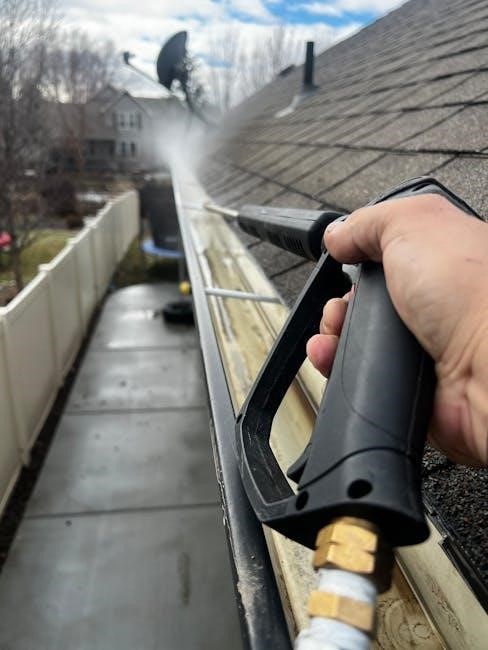
The pump is the heart of the pressure washer, converting rotational motion into high-pressure water flow․ Factory-filled with oil, the pump requires periodic checks, as outlined in the manual․ Maintaining proper pump oil levels, and winterizing procedures, detailed in resources like ManualsLib, are vital for preventing damage and ensuring consistent performance․

Safety Precautions
Prior to operation, thoroughly read and understand this manual․ Always disconnect the power source before servicing․ Never point the wand at people or animals․ Wear appropriate safety gear, including eye protection․ Be mindful of the high-pressure spray, and avoid modifications․ Following these precautions, as emphasized in Simpson manuals, ensures safe operation․
Pre-Operation Checks
Before each use, inspect the fuel level and add oil if needed, using Simpson’s preferred oil․ Verify all connections are secure, and the nozzle is correctly installed․ Check for any damaged hoses or components․ Ensure the pump oil is at the proper level, as initially filled at the factory․
During Operation Safety
Always maintain a safe distance from the spray pattern and avoid directing the spray at people, animals, or electrical equipment․ Never leave the pressure washer unattended while running․ Be mindful of your surroundings and ensure stable footing․ If unusual noises or malfunctions occur, immediately stop the engine․

Engine Specifications
Simpson pressure washer engines vary by model, but generally feature OHV (Overhead Valve) designs․ Power output typically ranges from 2․4 to 3․0 GPM at pressures up to 3000 PSI․ Refer to your specific model’s documentation for precise details regarding horsepower, displacement, and other critical engine parameters․
Engine Type and Power
Most Simpson pressure washers utilize single-cylinder, four-stroke OHV engines, known for reliability and efficiency․ Power levels commonly range from 196cc to 208cc, delivering sufficient force for diverse cleaning tasks․ Horsepower varies, typically between 6․5 and 8․5 HP, impacting overall cleaning performance․
Fuel Requirements
Simpson pressure washer engines generally require fresh, unleaded gasoline with a minimum octane rating of 87․ Avoid using fuel containing ethanol exceeding 10%, as it can damage the fuel system․ Always check the engine manufacturer’s specifications for precise fuel recommendations․ Proper fuel ensures optimal engine performance and longevity․
Starting the Engine
Before starting, ensure sufficient oil levels and a clear air filter․ Turn the fuel valve to the ‘ON’ position, set the choke appropriately (full choke for cold starts), and engage the safety latch․ Pull the starter cord firmly and repeatedly until the engine ignites․ Gradually disengage the choke as the engine warms up․
Initial Startup Procedure
Prior to the first use, verify oil levels and add Simpson preferred oil if needed․ Connect the high-pressure hose and spray wand securely․ Ensure the water supply is connected and fully turned on․ Prime the pump by briefly squeezing the trigger on the spray gun until water flows consistently․ Then, proceed with engine starting․
Troubleshooting Starting Issues
If the engine fails to start, check the fuel level and ensure fresh fuel is being used․ Verify the spark plug is clean and properly connected․ Confirm the choke is in the correct position for cold starts․ A flooded engine may require repeated pulls with the throttle open․
Operating Instructions
Before operation, connect the water supply and ensure proper nozzle selection for the task․ Adjust the pressure using the pressure regulator, starting with a lower setting․ Always maintain a safe distance from surfaces being cleaned․ Regularly inspect the spray gun and wand for damage or leaks during use․
Pressure Adjustment
The Simpson pressure washer features a pressure regulator to control cleaning power․ Begin with the lowest setting and gradually increase it, testing on an inconspicuous area first․ Avoid excessive pressure that could damage surfaces․ Proper adjustment maximizes cleaning effectiveness while minimizing potential harm to materials being cleaned․
Nozzle Selection
Simpson pressure washers utilize interchangeable nozzles for varied cleaning tasks․ A 0-degree nozzle delivers a concentrated stream for stubborn grime, while wider angles (25, 40 degrees) offer broader coverage․ Soap nozzles create a foamy solution for detergents; Always select the appropriate nozzle for the surface to prevent damage and achieve optimal results․

Maintenance Schedule
Regular maintenance is crucial for extending the life of your Simpson pressure washer․ A consistent schedule, including oil changes, air filter cleaning, and pump inspections, prevents costly repairs․ Adhere to the recommended intervals, especially when operating in harsh conditions․ Proactive upkeep ensures peak performance and reliability․
Oil Change Procedure
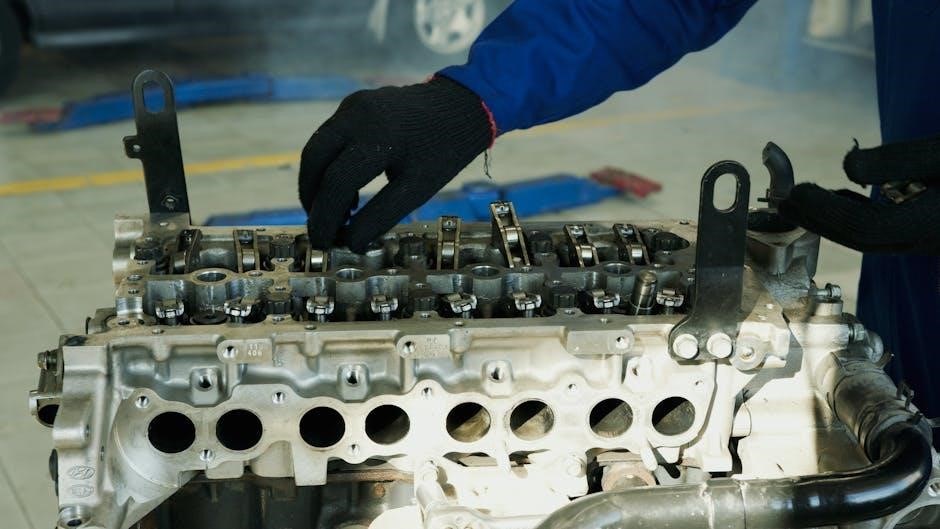
To change the oil, ensure the engine is warm, but not hot․ Locate the oil drain plug and carefully remove it, allowing the old oil to drain completely․ Replace the plug, then add the recommended Simpson oil to the correct capacity․ Always dispose of used oil responsibly, following local regulations for environmental protection․
Air Filter Cleaning
Regular air filter cleaning is crucial for engine performance․ Remove the air filter cover and carefully take out the filter element․ Gently tap the filter to remove loose debris, or use compressed air – blowing from the inside out․ If excessively dirty, replace the filter to maintain optimal airflow and engine efficiency․
Pump Maintenance
Proper pump maintenance extends the life of your Simpson pressure washer․ Regularly check the pump oil level and replenish as needed, using Simpson’s preferred oil for optimal lubrication․ Inspect for leaks or damage․ Winterizing the pump by adding pump protector is vital in freezing climates to prevent internal corrosion and ensure reliable operation next season․
Pump Oil Level Check
Regularly checking the pump oil is crucial for longevity․ Locate the oil fill plug on the pump housing and remove it․ The oil level should be at the fill hole; if low, add Simpson’s preferred oil until it reaches this point․ Avoid overfilling․ Inspect the oil’s condition – replace if cloudy or contaminated for peak performance․
Winterizing the Pump
Protect your pump from freezing temperatures․ Drain all water from the pump by disconnecting the water supply and running the engine briefly․ Then, introduce pump saver solution (antifreeze) into the pump intake until it exits the discharge side․ This prevents internal damage from ice expansion during storage, ensuring reliable spring operation․

Troubleshooting Common Engine Problems
Addressing engine issues promptly extends the life of your Simpson pressure washer․ Common problems include overheating – check oil levels and cooling fins․ For a no-start condition, verify fuel supply, spark plug functionality, and proper choke operation․ Regular maintenance minimizes these occurrences, ensuring consistent cleaning power․
Engine Overheating
If your Simpson engine overheats, immediately stop operation to prevent damage․ Check the oil level – low oil is a primary cause․ Ensure cooling fins are clean and unobstructed by debris․ Prolonged use in high temperatures or dusty conditions may necessitate more frequent oil changes and fin cleaning for optimal performance․
Engine Not Starting
When the engine fails to start, verify fuel levels and ensure the fuel valve is open․ Check the spark plug for fouling and replace if necessary․ A clogged air filter can also prevent starting; clean or replace it․ Troubleshooting may involve examining the carburetor for proper adjustment and fuel flow․

Understanding the Fuel System
The fuel system delivers gasoline to the engine for combustion․ Regular maintenance includes fuel filter replacement to prevent debris from reaching the carburetor․ Carburetor adjustment is crucial for optimal air-fuel mixture, impacting engine performance․ Always use fresh fuel and a fuel stabilizer for extended storage, preventing fuel degradation․
Fuel Filter Replacement
Regularly replacing the fuel filter ensures a clean fuel supply to the carburetor, preventing engine issues․ Locate the inline fuel filter within the fuel line․ Carefully disconnect the fuel line, noting the fuel flow direction․ Install a new filter, securing the fuel line connections tightly to avoid leaks․
Carburetor Adjustment
Adjusting the carburetor fine-tunes the fuel-air mixture for optimal engine performance․ Typically, adjustments involve idle speed and mixture screws․ Start the engine and allow it to warm up․ Slowly adjust the idle screw for smooth running, then the mixture screw for best performance – listen for changes in engine speed․
Basic Elements of a Pressure Washer (MEGASHOT V3100)
The Simpson MEGASHOT V3100 features key components for effective cleaning․ These include the spray gun and wand for directing high-pressure water, and a quick connect system for easy nozzle changes․ The engine powers the pump, delivering pressurized water, while proper nozzle selection dictates spray pattern and intensity for various tasks․
Spray Gun and Wand
The spray gun controls water flow and pressure, featuring a trigger-activated mechanism for on-demand cleaning․ The wand extends reach and provides directional control․ Regularly inspect for leaks or damage․ Ensure the quick connect system securely attaches nozzles, preventing disconnections during operation for safe and efficient cleaning performance․
Quick Connect System
Simpson’s quick connect system allows for rapid nozzle changes, enhancing cleaning versatility․ This feature streamlines switching between spray patterns – from wide-angle for rinsing to pinpoint jets for stubborn grime․ Ensure a secure connection before each use to prevent unexpected disconnections and maintain consistent water pressure during operation․
CM61352 Model Specifics
The Simpson CM61352 requires careful assembly following the included instructions for optimal function․ Proper care involves regular inspection of all connections and components․ Adhering to the use guidelines ensures safe and effective operation, maximizing the lifespan of your pressure washer and preventing potential damage or malfunctions․
Assembly Instructions
Before initial use, carefully unpack and inspect all components of the CM61352 model․ Attach the spray wand securely to the quick connect system, ensuring a firm lock․ Connect the high-pressure hose, verifying proper alignment․ Finally, confirm all fittings are tightened before adding fuel and oil, following the manual’s detailed diagrams․

Care and Use Guidelines
To maximize the lifespan of your Simpson CM61352, always operate on a level surface and avoid prolonged use in extreme temperatures․ Regularly inspect hoses and connections for wear․ Store indoors, protected from the elements․ Following the recommended maintenance schedule is crucial for consistent, reliable performance and preventing damage․
Oil Specifications (Simpson Preferred Oil)
Simpson recommends using their preferred oil to ensure optimal engine lubrication and performance․ This oil is specifically formulated for the demands of pressure washer engines․ Refer to the manual for the correct oil type and capacity․ Using alternative oils may void the warranty and potentially cause engine damage, impacting longevity․
Recommended Oil Type
Simpson strongly advises utilizing a high-quality 10W-30 detergent oil, specifically designed for small engines․ This viscosity grade ensures proper lubrication across a wide range of temperatures․ Synthetic or conventional oils are acceptable, but always check the API service classification to confirm suitability for air-cooled engines, maximizing performance․
Oil Capacity
The typical oil capacity for most Simpson pressure washer engines falls within the 15-20 ounce range․ However, always verify the precise amount specified in your particular model’s engine documentation․ Overfilling can cause engine damage, while underfilling leads to insufficient lubrication․ Check the dipstick after adding oil to confirm the correct level․